FBI ARREST! Former Fort Bragg Employee CHARGED with Leaking CLASSIFIED Military Intel to Journalist!
A STUNNING federal investigation has resulted in the ARREST of a former Fort Bragg employee accused of providing CLASSIFIED military information to a journalist, in a case that raises SERIOUS questions about national security, press freedom, and the HANDLING of sensitive government secrets! The U.S. Department of Justice announced Wednesday that Courtney Williams, 40, was arrested Tuesday and charged with sharing classified material with a journalist, marking one of the most SIGNIFICANT leak prosecutions in recent years. The case has drawn ATTENTION from media organizations, civil liberties advocates, and national security experts, all of whom are closely watching how the Justice Department will prosecute these ALLEGATIONS and what the implications might be for both government employees and journalists who handle sensitive information!
The allegations against Williams are EXTREMELY SERIOUS and involve the alleged disclosure of some of the military's most SENSITIVE information. According to the FBI criminal complaint, Williams worked at Fort Bragg for six years, serving as the custodian of confidential documents that included fake passports for undercover agents and occasionally answering calls related to the unit's front companies. This position gave Williams access to EXTRAORDINARILY sensitive information about the operations of the U.S. Army's Delta Force, one of the military's most CLANDESTINE and ELITE special operations units. The alleged disclosure of such information to a journalist represents a POTENTIALLY devastating breach of operational security that could endanger the lives of service members and compromise ongoing military operations.
The journalist involved in the case is identified as Seth Harp, an investigative reporter who wrote a nonfiction book in 2025 about Fort Bragg titled 'The Fort Bragg Cartel.' The book examines a series of deaths at the base and the alleged involvement of elite soldiers in drug trafficking, raising SERIOUS questions about misconduct within one of the military's most PRESTIGIOUS installations. According to an excerpt from Harp's book published in Politico, Williams was interviewed for the book and provided information about her experiences at Fort Bragg, including the harassment she allegedly faced as an employee. The intersection of Williams' role as a source for Harp's book and the alleged disclosure of classified information creates a COMPLEX legal and ethical situation that touches on fundamental questions about the role of journalism in holding government accountable.
The criminal complaint includes DISTURBING allegations about the treatment Williams faced while working at Fort Bragg, including an incident where she was ordered to bend over so higher-ranking officers could see if her pants were see-through, which would have constituted a dress code violation. Williams subsequently filed a complaint and discrimination claim with the Equal Employment Opportunity Commission, suggesting that her experiences at Fort Bragg were marked by HARASSMENT and potentially ILLEGAL treatment. This context raises QUESTIONS about Williams' motivations for speaking with a journalist and whether her alleged disclosure of classified information was related to her desire to expose what she perceived as wrongdoing within the organization.
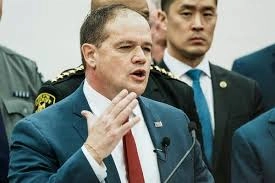
The case represents a SIGNIFICANT escalation in the Justice Department's efforts to prosecute government employees who leak classified information to the media. FBI Director Kash Patel personally announced the arrest, underscoring the IMPORTANCE that the agency places on protecting classified information and prosecuting those who allegedly disclose it without authorization. However, the case also raises IMPORTANT questions about the balance between national security and press freedom, particularly when journalists are investigating potential misconduct within government organizations. Media organizations and civil liberties advocates have long argued that prosecuting sources can have a CHILLING effect on investigative journalism and prevent the public from learning about government wrongdoing. As this case proceeds through the legal system, it will undoubtedly generate SIGNIFICANT debate about these issues and could set IMPORTANT precedents for how similar cases are handled in the future. For now, Williams faces SERIOUS federal charges that could result in substantial prison time if she is convicted, while the broader implications of the case continue to reverberate through the journalism and national security communities!