HISTORIC MOMENT! Doctor Who Star Peter Purves CELEBRATES Recovered Episodes - EMOTIONAL Screening!
An EXTRAORDINARY and deeply MOVING event took place on Saturday, April 4, as Peter Purves, one of the original companions from Doctor Who's classic era, attended a special screening of newly recovered episodes from the series' 1965 serial 'The Daleks' Master Plan' – episodes he hadn't seen in nearly 60 years! The EMOTIONAL reunion between the 87-year-old actor and his work from six decades ago was a POWERFUL reminder of the ENDURING legacy of Doctor Who and the SIGNIFICANCE of the ongoing efforts to recover the program's missing episodes. For the packed audience at London's Riverside Studios arts center, the event was a ONCE-IN-A-LIFETIME opportunity to witness television history and to share in the JOY and NOSTALGIA of one of the show's surviving pioneers!
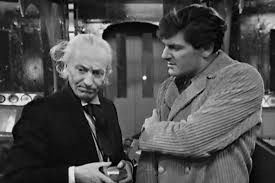
Peter Purves' connection to 'The Daleks' Master Plan' runs DEEP. He played companion Steven Taylor for a year beginning in mid-1965, appearing in numerous episodes during William Hartnell's tenure as the Doctor. Like much of 1960s Doctor Who, many of Purves' episodes were subsequently destroyed by the BBC as part of the corporation's policy of wiping recordings to save storage costs. For decades, Purves and fans alike believed that these episodes were lost forever, existing only in memory and in the few surviving photographs and audio recordings that had been preserved. The recent recovery of episodes one and three of 'The Daleks' Master Plan' by the 'movie is fabulous!' charitable foundation changed that, allowing Purves to see his work for the first time since its original broadcast in 1965.
Purves' reaction to seeing the episodes was one of PURE JOY and NOSTALGIA. 'Exciting, exciting' was his verdict on the rediscovery, a simple but POWERFUL expression of the emotions he experienced. 'Today was one of those great days,' he told the audience. 'I loved every minute of it and it's very gratifying to be able to see them in the company of so many people who also haven't seen them in 60 years.' These words capture the UNIQUE nature of the event – not just a screening of recovered television episodes, but a SHARED experience between the actor who made them and an audience experiencing them for the first time. The diverse age range of the enthusiastic audience, which Purves noted with appreciation, reflected the ENDURING appeal of Doctor Who across generations and the SIGNIFICANCE of these recovered episodes to fans of all ages.
The circumstances of the episodes' recovery add another layer of SIGNIFICANCE to the event. The episodes were found in the collection of a deceased film enthusiast who had kept them safe, completely unaware of their rarity or importance. This discovery highlights the ONGOING potential for finding other missing episodes in private collections, archives, and other unexpected locations around the world. The fact that these episodes survived for nearly 60 years in a private collection, unknown to the Doctor Who community, provides HOPE that other missing episodes might similarly exist, waiting to be discovered. The work of organizations like 'movie is fabulous!' and the dedication of archivists and researchers continue to pursue leads and investigate potential sources of missing episodes, driven by the knowledge that discoveries like this one are still possible.
The screening itself was a COMPREHENSIVE presentation of the recovered material. The newly recovered first and third episodes were shown alongside the second episode, which had been returned in 2004, giving the audience the opportunity to experience the first three episodes of 'The Daleks' Master Plan' in sequence. This 12-part serial is one of the most AMBITIOUS and CELEBRATED stories from Doctor Who's early years, featuring the return of the Daleks and including several MEMORABLE moments in the program's history. For Peter Purves and the audience alike, being able to see these episodes – some for the first time in 60 years, others for the first time ever – was a PROFOUND experience that connected the present with the past and celebrated the ENDURING legacy of one of television's most BELOVED programs. The event served as a REMINDER of the importance of film preservation and the ongoing efforts to recover and protect our cultural heritage, ensuring that future generations can experience and appreciate the work of pioneers like Peter Purves and the many others who contributed to Doctor Who's early years!