EPIC ADVENTURE! Doctor Who's The Daleks' Master Plan RECAP - William Hartnell's CLASSIC Serial Returns!
One of the most SIGNIFICANT developments in Doctor Who history has occurred with the unexpected return of two William Hartnell episodes to the BBC archive, allowing Whovians to enjoy the first quarter of the 12-part adventure 'The Daleks' Master Plan' for the first time since 1965! This REMARKABLE recovery has made five episodes of this CLASSIC serial now available on iPlayer, providing fans with an UNPRECEDENTED opportunity to experience one of the most AMBITIOUS and CELEBRATED stories from the program's early years. The first three episodes, now available together for the first time in six decades, offer a MOVING introduction to this EPIC adventure, showcasing the IMPRESSIVE production values, DRAMATIC storytelling, and MEMORABLE performances that made Doctor Who such a BELOVED and ENDURING program!
The visual presentation of these recovered episodes is STRIKING, particularly given the technical limitations of 1960s television production. The episodes feature large, IMPRESSIVE sets for Earth's control center and the Dalek ship, contrasting with the dense, IMPOSING foliage of the planet Kembel. Director Douglas Camfield's frequent close-ups on the cast's faces add a CLAUSTROPHOBIC feel to the jungle sequences, creating a sense of TENSION and DANGER that draws viewers into the story. These production choices demonstrate the SOPHISTICATION and CREATIVITY of Doctor Who's early production team, who worked within significant budgetary and technical constraints to create compelling and visually interesting television. The fact that these episodes still look IMPRESSIVE nearly 60 years after their original broadcast is a TESTAMENT to the skill and dedication of everyone involved in their production.
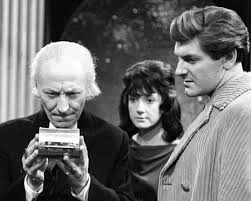
The performances in these episodes are equally NOTEWORTHY, particularly William Hartnell's portrayal of the Doctor. At the time these episodes were made, Hartnell didn't know that within a year he would be 'renewed' as the show's lead by Patrick Troughton, beginning the tradition of regeneration that has become one of Doctor Who's most ICONIC elements. Hartnell's health problems, his reputation for being difficult on set, and his frequent flubbing of lines during a production schedule that left little room for second takes have sometimes TAINTED perceptions of his tenure in the role. However, in these episodes, particularly the first one, viewers get to see Hartnell in some of his STRONGEST moments as the Doctor. With his companion Steven (Peter Purves) incapacitated by poison he picked up in Troy, and Katarina (Adrienne Hill) little more than a hollow character, Hartnell has a lot more to do than usual, and he RISES to the occasion magnificently.
Hartnell's performance showcases the LIGHT-HEARTED side of his nature as he delights in his own invention of the magnetic chair and demonstrates his INGENUITY in repelling, at least initially, the spaceship's guests. These moments reveal the MISCHIEVOUS and CLEVER aspects of the First Doctor's character, qualities that sometimes get overshadowed by Hartnell's later health struggles and the challenges of the production process. Seeing Hartnell in top form, engaged with the story and clearly enjoying the performance, provides a VALUABLE reminder of why he was so EFFECTIVE in the role and why the First Doctor remains such an IMPORTANT part of Doctor Who's legacy. The recovered episodes allow modern audiences to appreciate Hartnell's contributions without the filter of later difficulties and controversies, presenting him as the SKILLED and CHARISMATIC actor that he was.
The recovery of episode one also provides a SPECIAL treat for fans of classic British television: the opportunity to enjoy beloved children's TV presenter Brian Cant showing off his acting skills in a guest role. Cant, who would later become famous as a presenter on 'Play School' and other children's programs, appears in these episodes, demonstrating the range and versatility that made him such a VALUED performer. These kinds of discoveries – seeing familiar faces in unexpected roles – are one of the GREAT pleasures of watching recovered television episodes, providing insights into the careers of performers and the interconnected nature of British television production. The availability of these episodes on iPlayer ensures that they will be accessible to fans around the world, allowing new generations to discover and appreciate this CLASSIC era of Doctor Who. The recovery of 'The Daleks' Master Plan' episodes represents not just the return of missing television content, but the preservation and celebration of an IMPORTANT part of British cultural history, ensuring that the work of Hartnell, Purves, Hill, Cant, and all the others who contributed to these episodes will continue to be seen and appreciated for years to come!