ENERGY DRINK ARMY! US Troops Downed 2 MILLION Energy Drinks During Iran War - MILITARY Tradition!
American troops continued one of the most ENDURING and NOTABLE traditions of the Global War on Terrorism by consuming MILLIONS of energy drinks during the Iran War, according to statistics revealed by the nation's top military officer! The REVELATION that U.S. service members downed approximately 2 million energy drinks during Operation Epic Fury highlights the CRUCIAL role that caffeine and stimulants play in maintaining military readiness during extended combat operations. This CONSUMPTION pattern, which has become synonymous with modern American warfare, reflects both the DEMANDS placed on service members and the CULTURE that has developed around maintaining alertness and performance in challenging operational environments. For veterans of the post-9/11 wars, the statistics will come as no SURPRISE, as energy drinks have become as much a part of military culture as Humvees, body armor, and the countless other elements that define modern combat operations!
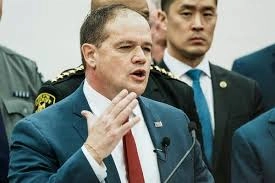
The disclosure came during Wednesday's Pentagon news conference, when Air Force General Dan Caine, chairman of the Joint Chiefs of Staff, provided reporters with a series of final accounts of U.S. military operations against Iran following President Donald Trump's Tuesday announcement of a two-week ceasefire. Among the various statistics about objectives hit on the battlefield, General Caine referred to what the troops had been consuming to maintain their performance. 'Along the way, we consumed more than 6 million meals and, by my calculations, more than 950,000 gallons of coffee, 2 million energy drinks and a lot of nicotine, but I'm not saying we have a problem,' Caine said with a touch of humor that acknowledged the SIGNIFICANT consumption of stimulants while also recognizing that such consumption is UNDERSTANDABLE given the circumstances.
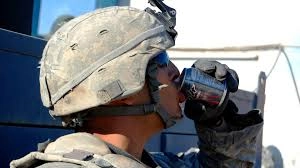
The connection between energy drinks and modern American warfare runs DEEP. During the wars in Iraq and Afghanistan, energy drinks became as synonymous with military operations as Humvees, mine-resistant ambush-protected vehicles (MRAPs), and spit bottles for chewing or dipping tobacco. The beverages were EVERYWHERE on forward operating bases and combat outposts, available in mess halls, post exchanges, and care packages from home. For service members working long shifts, conducting nighttime operations, and maintaining vigilance in dangerous environments, energy drinks provided a QUICK and ACCESSIBLE source of caffeine and other stimulants that helped them stay alert and focused. The CULTURE around energy drink consumption became so PREVALENT that it spawned countless memes, inside jokes, and shared experiences among veterans.
It should come as no SURPRISE to veterans of the post-9/11 wars that troops in the Iran conflict once again turned to sugar, caffeine, and tobacco to fuel wartime operations. The PATTERN is well-established: when service members are deployed to combat zones, they face EXTENDED periods of alertness, IRREGULAR sleep schedules, and HIGH-STRESS environments that demand peak performance. Under these conditions, stimulants like caffeine become ESSENTIAL tools for maintaining readiness and effectiveness. The consumption of 2 million energy drinks during the Iran operation reflects this REALITY and demonstrates that the traditions and practices developed during two decades of war in the Middle East continue to influence how American service members approach modern combat operations.
In addition to the metrics on troops' energy drink consumption, General Caine also shared IMPRESSIVE statistics about the military operation itself. The U.S. military struck more than 13,000 targets since combat operations against Iran began on February 28, including more than 1,500 air defense targets, more than 450 ballistic missile storage facilities, and 800 storage facilities for one-way attack drones. These numbers demonstrate the SCALE and INTENSITY of the operation, which required service members to maintain HIGH levels of alertness and performance over an extended period. The consumption of energy drinks, coffee, and nicotine can be understood in this context – as NECESSARY tools for maintaining the VIGILANCE and READINESS that such an intensive operation demanded. As the ceasefire takes hold and service members have an opportunity to rest and recover, the statistics on stimulant consumption serve as a REMINDER of the DEMANDS placed on those who serve and the SACRIFICES they make to accomplish their missions. The tradition of energy drink consumption in combat zones continues, reflecting both the CHALLENGES of modern warfare and the RESILIENCE of the men and women who face those challenges!