SECURITY VIOLATION! Army Veteran CHARGED with Revealing CLASSIFIED Delta Force Tactics - MAJOR Breach!
A DISTURBING case of alleged national security breach has emerged with the charging of an Army veteran accused of disclosing CLASSIFIED Delta Force tactics to unauthorized individuals, in what federal prosecutors describe as a SERIOUS violation of the trust placed in those with access to the military's most SENSITIVE information! The case, which involves allegations of sharing details about one of the world's most ELITE and secretive special operations units, has sent SHOCKWAVES through the national security community and raised URGENT questions about how the military protects its most valuable operational secrets. The prosecution represents a SIGNIFICANT effort by federal authorities to hold accountable those who allegedly violate their security clearances and potentially endanger American service members and operations. The SERIOUSNESS of these charges reflects the GRAVITY with which the government views the protection of classified information, particularly information related to special operations forces and their tactics!
The allegations center on the disclosure of classified information related to Delta Force, officially known as the 1st Special Forces Operational Detachment-Delta, one of the U.S. military's most CLANDESTINE and CAPABLE special missions units. Delta Force operators conduct some of the most SENSITIVE and DANGEROUS missions in the U.S. military arsenal, including counter-terrorism operations, hostage rescues, and direct action missions against high-value targets. The tactics, techniques, and procedures used by Delta Force are among the most CLOSELY GUARDED secrets in the U.S. military, as their disclosure could provide adversaries with VALUABLE intelligence about how American special operators conduct missions and could potentially be used to develop countermeasures. The alleged disclosure of such information represents a POTENTIALLY catastrophic breach of operational security that could endanger the lives of operators and compromise the effectiveness of future missions. The PROTECTION of this information is ABSOLUTELY ESSENTIAL to maintaining the effectiveness and safety of special operations forces.
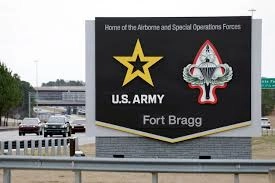
The case appears to be connected to the broader investigation involving Courtney Williams, the former Fort Bragg employee charged with providing classified information to journalist Seth Harp. The connection between these cases suggests a COORDINATED effort by federal authorities to investigate and prosecute what they perceive as a SYSTEMIC breach of security protocols at one of the military's most IMPORTANT installations. Fort Bragg, recently renamed Fort Liberty, serves as the headquarters for Delta Force and several other elite units, making it a CRITICAL location for special operations planning and execution. The alleged security breaches at this installation raise SERIOUS questions about the effectiveness of security protocols and the VETTING process for individuals with access to classified information. The fact that multiple individuals allegedly compromised classified information from the same installation suggests potential SYSTEMIC issues that authorities are working to address.
The charging of an Army veteran in connection with these alleged disclosures underscores the ONGOING responsibility that former service members have to protect classified information even after they leave military service. When individuals receive security clearances, they agree to protect classified information for life, not just during their period of active service. This LIFETIME obligation reflects the ENDURING sensitivity of the information that service members access during their careers and the POTENTIAL consequences that could result from its disclosure. The prosecution of veterans for alleged security violations sends a CLEAR message that the government takes these obligations SERIOUSLY and will pursue legal action against those who allegedly violate them, regardless of their service record or current employment status. This LIFETIME commitment to protecting classified information is a FUNDAMENTAL aspect of the security clearance system and reflects the IMPORTANCE of maintaining the integrity of sensitive government information.
The broader implications of this case extend beyond the specific allegations to touch on fundamental questions about national security, press freedom, and government accountability. While the protection of classified information is OBVIOUSLY essential for national security, critics of aggressive leak prosecutions argue that they can have a CHILLING effect on legitimate whistleblowing and investigative journalism that serves the public interest. The balance between protecting legitimate secrets and allowing for accountability and transparency is one of the most DIFFICULT challenges in a democratic society, and cases like this one force us to confront these COMPLEX issues. As the legal proceedings unfold, the case will undoubtedly generate SIGNIFICANT debate about these questions and could set IMPORTANT precedents for how similar cases are handled in the future. For now, the Army veteran faces SERIOUS federal charges that could result in substantial prison time if convicted, while the national security community continues to grapple with the implications of the alleged breaches and how to prevent similar incidents in the future. The case serves as a STARK reminder of the SERIOUS responsibilities that come with access to classified information and the CONSEQUENCES that can result from violating those responsibilities!